



Tailoring crop nutrition accurately
Summer 2026 was one of the UK’s hottest on record, bringing exceptionally dry conditions to many areas, resulting in highly variable cereal performance, with wheat yields remaining below the five-year average in AHDB’s late-August harvest update.
The season has also shown how differently crops can respond to challenging conditions, reinforcing the need to tailor nutrition to variety characteristics such as yield potential, establishment, lodging risk, maturity and end-market requirements.
Rather than starting with last year’s fertiliser programme, build this year’s plan around what the soil can supply, the crop being grown and the variety characteristics that will influence how it develops.
Establish available soil nutrients
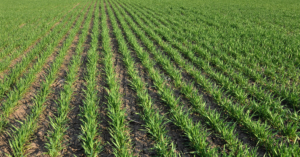 A nutrient plan should begin with understanding soil nutrient status and what the previous crop has removed.
This is particularly important following a year of variable yields. Where crops yielded below expectation, nutrient offtake may be lower, and crop residues, soil type and weather will all influence nutrient availability.
Use soil tests and analysis alongside cropping history and realistic expected crop yield to establish where phosphorus, potassium, magnesium and pH require attention. Avoid sampling while soils remain very dry, as this can affect the reliability of results.
Nitrogen planning should also account for soil nitrogen supply rather than assuming the same requirement each year.
Get the foundations right
Nitrogen, phosphorus and potassium each have different roles, so applications should reflect soil supply and crop demand rather than relying on a fixed ratio.
Nitrogen is central to canopy development, yield formation and grain protein, but applying more does not automatically deliver a higher yield. Rate and timing need to reflect soil nitrogen supply, realistic crop potential and economic return.
Phosphorus supports root development and establishment, making adequate availability particularly important as young plants develop their root systems.
Potassium contributes to several plant processes, including water regulation and stem strength, and becomes particularly important where soil reserves are limited.
Soil indices, expected yield and whether straw is removed or incorporated should all be considered when establishing crop requirements.
Don’t overlook sulphur and micronutrients
 Once the major nutrients are accounted for, consider whether sulphur or micronutrients could also limit crop performance.
Sulphur works closely with nitrogen in protein formation, so where sulphur deficiency is expected, supplying both nutrients can help the crop make effective use of available nitrogen.
Where both nutrients are required, OCI Dynamax supplies 27% nitrogen alongside 12,5% SO3 (5% S), allowing nitrogen and sulphur to be applied together.
Micronutrients including manganese, copper and zinc are needed in much smaller quantities, but deficiencies can still affect crop development.
Rather than applying them routinely or relying on visual symptoms alone, consider soil type, pH, deficiency risk and appropriate soil or tissue analysis to establish where additional inputs are justified.
Adjust as the crop develops
A nutrient plan provides a starting point, but it should not be fixed for the entire season.
Crop establishment, winter rainfall, soil conditions and yield potential can all change between drilling and spring applications.
Application timing should therefore reflect how the crop is developing and when demand for individual nutrients is greatest, rather than following calendar dates alone.
As this season has shown, conditions can change quickly.
Start with what the soil can supply, consider the characteristics and realistic potential of the crop, then keep reviewing the plan as conditions develop. This gives each nutrient application a clear purpose rather than simply repeating what has been done before.