



How to overcome magnesium deficiency in wheat crops to maximise yields
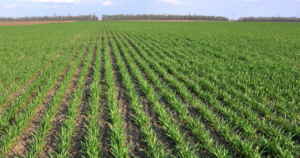 Spring is a vital time for winter wheat, as it moves from winter dormancy to accelerated spring growth. Having access to the right nutrients at this point has a big impact, especially when it comes to magnesium.
One of the most common deficiencies seen in wheat is magnesium, with research showing up to 74% of soil tests in the UK indicate a deficiency. However, this nutrient is often overlooked due to a lack of understanding of its importance within the plant.
Magnesium sits at the centre of the chlorophyll molecule, playing a direct role in photosynthesis and energy transfer.
It is involved in over 300 reactions in the plant, but its real strength lies in its ability to link other compounds together or act as a bridging element.
This means that when supply is limited, various reactions within the plant are compromised, and most importantly, the crop’s ability to capture sunlight and convert it into growth is diminished, even if there’s sufficient nitrogen.
In the UK, magnesium deficiency is more likely on lighter, sandier soils, where it can be lost to leaching in wetter conditions or locked up in dry springs when it becomes unable to move in the soil, compromising uptake.
Magnesium also has a complicated relationship with other nutritional elements such as potassium, calcium and ammonium, so if your soil is high in any of these, it could be having a negative effect on magnesium uptake.
To learn more about the risk of leaching and how to prevent it, read our recent blog.
How to identify a magnesium deficiency in wheat
Left unchecked, a magnesium deficiency can reduce photosynthetic capacity, restrict biomass, and leave the crop more vulnerable to stress during spring growth.
To identify the symptoms of a magnesium deficiency, start with the field walk; magnesium is a mobile nutrient in the plant, so symptoms typically appear first on older leaves.
Look for interveinal chlorosis, yellowing between the veins, while the veins themselves stay greener; in wheat, this can show as a ‘striped’ or ‘marbled’ look on older leaves, sometimes best seen when you hold the leaf up to the light.
Despite being a good indicator, it’s important not to rely on symptoms alone – chlorosis can be confused with other stresses, including disease, waterlogging, herbicide scorch or other nutrient issues.
Make sure to use analysis to understand what is available in the soil and what is being taken up by the plant. Soil testing is a good method to gain background status of nutrients in the soil profile, while tissue testing shows you what the crop is actually taking up, providing a more real-time picture.
To gain a clearer picture of soil health across the UK, read our recent blog.
How to address magnesium deficiency in wheat
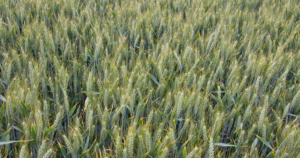 To build a magnesium supply for longer-term resilience, where soil tests show low magnesium, or where fields are naturally prone to leaching, consider soil-applied magnesium sources as part of your base fertility plan.
OCI Global’s Nutramon Novo is a nitrogen-based fertiliser delivering a 50/50 ratio of nitrate and ammonium nitrogen, plus 4% magnesium oxide (MgO) and 6% calcium oxide (CaO).
The added magnesium plays a crucial role in nutrient absorption and healthy leaf development, while calcium supports soil structure and nutrient retention, helping to maintain crop quality.
Traditionally, magnesium has been applied during late spring, but its importance in the numerous reactions within the plant warrants its availability from start to finish.
Magnesium is particularly prone to leaching during wetter periods due to its mobility within the soil. This means it is vital to get magnesium applications onto wheat crops in early spring to replace magnesium lost during typically high rainfall periods like autumn and winter.
To maintain sufficient levels of magnesium within your wheat crop, remember to:
- Flag risk fields with light land, dry-prone areas
- Confirm deficiency with soil and or tissue testing
- Act early – a small deficiency in spring can become a bigger constraint later in the season
- Consider using a soil-applied magnesium source like Nutramon Novo