
What is biomethane and why does it matter to farmers?
Biomethane is a renewable gas, produced using organic waste, which can be used in fertiliser production.
It is a valuable product to farmers and fertiliser manufacturers, providing a cleaner alternative to methane that supports improved UK agricultural sustainability.
Organic waste – like food, animal manure and sewage – is used to produce biomethane through the process of anaerobic digestion.
This process breaks down the waste into biogas, before going through a second procedure, known as ‘upgrading’ to remove impurities, resulting in biomethane and a byproduct – digestate – being produced.
Why should farmers care about biomethane?
Biomethane use in agriculture has become increasingly important in helping farmers reduce their carbon footprint, particularly in relation to fertiliser use.
The production of traditional nitrogen-based fertilisers requires large amounts of energy, relying on fossil fuels. However, the use of biomethane in this production process can lead to a marked reduction in overall agricultural emissions.
There are many factors pushing farmers towards more sustainable production methods, including growing consumer demand for food produced to a higher environmental standard.
Another factor is supply chain regulations, which set out to ensure UK agricultural sustainability and transparency around carbon emissions.
Some farmers are being required to partake in carbon audits and measurements to demonstrate improvements over time; this is often stipulated in supplier contracts.
As highlighted in reports from the Committee on Climate Change, making the switch to low-carbon fertiliser options is a key step towards cutting emissions and meeting UK climate targets, like reaching net zero in agriculture.
Integrating biomethane-based fertilisers into wider farm practices will also help reduce exposure to future regulatory risks.
With developments like the EU Carbon Border Adjustment Mechanism and discussions around potential UK carbon levies, reducing emissions now, can safeguard future market access and business resilience for farmers.
How is biomethane made?
Producing biomethane starts with pre-treating organic waste.
Food waste is separated from its packaging, before contaminants like plastic and grit are screened out.
The material is then blended to the right consistency, ensuring a carbon-to-nitrogen ratio of 20:1 to 30:1, and water may be added if the moisture level is too low.
Once treated, the mixture is transferred to sealed tanks where, without oxygen, naturally occurring micro-organisms break it down through anaerobic digestion.
This process releases biogas, which is generally around 60% methane and 40% carbon dioxide; these percentages will differ depending on the type of waste used in the anaerobic digestion process.
To convert biogas into biomethane, harmful impurities – such as carbon dioxide and hydrogen sulphide – are removed through upgrading, resulting in a purified gas, which is high in methane, offering a cleaner alternative to fossil fuels.
A common method of upgrading biomethane is water scrubbing; during this process, biogas is passed through water, where the carbon dioxide and hydrogen sulphide are absorbed due to their water solubility, leaving pure methane as the final product.
How is biomethane used in fertiliser production?
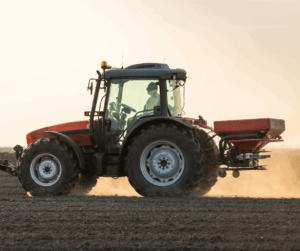 Once the digestate byproduct of anaerobic digestion is created, it can be used directly on land as an effective, low-carbon alternative to synthetic fertiliser, thanks to its plentiful supply of useful nutrients.
It is often processed further into a higher quality, more transportable biofertilizer, through processes like pasteurisation to kill pathogens, drying to increase concentration and palletisation to transform solid digestate into easily spreadable pellets.
These processes can all be fuelled using biomethane in place of fossil fuels, closing the production circle.
Historically, the production of traditional fertilisers relies on ammonia in an energy-intensive process called the Haber-Bosch process.
Biomethane can be used as a cleaner alternative to fuel the Haber-Bosch process, helping to cut agricultural emissions.
Nutramon Novo is an example of a low-carbon biofertiliser, made using biomethane, rather than with fossil fuels in the Haber-Bosch process. It offers the same high-quality performance and reliability as its predecessor, Nutramon, but with a significantly reduced environmental impact.
Recognisable by its distinct orange granules, Nutramon Novo delivers consistency, quality, and excellent spreadability.
It is an ideal choice for farmers looking to reduce emissions while maintaining crop performance.
By using renewable raw materials, Nutramon Novo reduces emissions by up to 50% in the production process, making it a more sustainable option for modern farming.
The agricultural and market benefits of biomethane fertilisers
There are many advantages to using biomethane-based fertilisers like Nutramon Novo.
For example, their ability to make use of a range of waste products that may otherwise be adding to emissions, allows them to play an important role in fighting climate change.
With pressure from consumers, reducing Scope 3 emissions (the indirect emissions occurring in a company’s value chain, both upstream and downstream) is crucial for organisations aiming to meet sustainability goals.
Farmers using products like Nutramon Novo are helping their supply chains lower their overall emissions, keeping consumers on their side by lessening the environmental impact.
By reducing emissions and supporting long-term soil health and yields, biomethane fertilisers offer a practical way to farm more sustainably without compromising on results.