



How to lower fertiliser carbon footprint without compromising yield
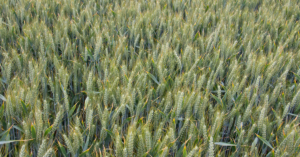 For UK growers, lower-carbon crop production is not just about using fewer inputs, the bigger challenge is making nutrient decisions that reduce emissions while still supporting yield, quality and efficient crop growth.
It is easy to see why greener nutrient sources are attracting more attention. Organic manures, digestate, green waste and biological products can all make a valuable contribution to UK agriculture, but in practice, lower-carbon crop nutrition is more complex than replacing one product with another.
Used well, they can support soil health, nutrient cycling and wider farm sustainability, but we also need to be realistic about the results they deliver.
Alone, they cannot provide the reliability or volume of nutrients needed to support mainstream arable production at the scale the UK, and wider global agriculture, requires.
Learn more about how green manures can bolster crop nutrition when used alongside manufactured inputs.
Why yield still matters in carbon calculations
Reducing manufactured fertiliser use may appear to lower emissions, but the full picture is more complex.
If fertiliser inputs are cut and yield falls as a result, the farm is producing less food from the same area of land, reducing overall efficiency and, in some cases, increasing the carbon footprint per tonne of output.
Sam Leadbeater, UK and Ireland sales manager at OCI Global, says: “The risk is that carbon reduction becomes too focused on what is removed from the system, rather than what the system continues to deliver.”
“For growers, the key is lowering emissions while maintaining reliable crop performance. If yield is compromised, the carbon saving may not be as strong as it first appears.”
A balanced approach to regenerative farming
Regenerative agriculture has an important role to play in supporting more resilient farming systems, but for it to work commercially, it must improve the whole system, including soil function, crop output and farm profitability.
In fertiliser terms, that means looking not only at what is applied in the field, but also at how that fertiliser is produced.
Manufactured fertiliser, therefore, remains an essential part of many crop nutrition programmes, the opportunity now is to make more informed choices about the fertilisers used and the emissions associated with their production.
Decarbonising fertiliser production
Lower-carbon fertilisers can help growers reduce the carbon footprint of crop production without changing the way they manage crop nutrition in the field.
This approach focuses on reducing emissions at the production stage, rather than asking farmers to accept a compromise in nutrient reliability or crop performance.
“If we can produce the same reliable nutrient source using lower-carbon and cleaner energy, we can reduce emissions from manufacturing without asking farmers to compromise on performance,” says Sam.
“The benefit comes from decarbonising production, rather than risking efficiency.”
Understanding the footprint behind fertiliser
 As carbon reporting becomes more common across agriculture, knowing where fertiliser comes from and how it is made will become increasingly important.
Two fertilisers can appear very similar in terms of nutrient content, but carry very different carbon footprints depending on the raw materials and production processes used.
This is why product choice will play a growing role in sustainable nutrient management. Growers will increasingly need to consider not only nutrient analysis, spreading quality and crop suitability, but also the carbon footprint behind the product.
Lower-carbon fertiliser options
Nutramon Novo is an example of a lower-carbon fertiliser designed to deliver the same trusted performance as traditional fertilisers, while reducing the carbon footprint associated with production.
It has the same composition and properties as OCI’s flagship fertiliser, Nutramon, but with a lower CO₂ footprint.
Its 50% nitrate nitrogen and 50% ammonium nitrogen composition provides both rapid and long-lasting nitrogen delivery to the crop, supporting efficient nutrient uptake and reliable performance.
“For growers looking to reduce carbon footprint without changing the fundamentals of their crop nutrition plan, products like Nutramon Novo offer a practical starting point,” says Sam.
“If you start with a product like this, you have already won half the battle.”
Making informed nutrient choices
Lower-carbon farming will not be achieved through one single change. It will require a balanced approach that makes best use of organic materials, improves nutrient use efficiency and selects fertilisers with a lower production footprint where possible.
Alternative nutrient sources deserve a place within sustainable farming systems, but manufactured fertiliser will remain essential for safeguarding yield for the foreseeable future.
The focus should be on using every nutrient source wisely, understanding its role within the system, and making informed choices about where fertiliser comes from.
By combining efficient nutrient planning with lower-carbon fertiliser options, growers can reduce emissions while continuing to protect yield, quality and food production.