
OCI awarded bronze by LAMMA for reducing carbon footprint with low-carbon fertiliser
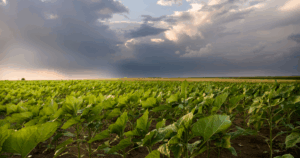 Switching to more sustainable farming practices doesn’t have to mean sacrificing high yields.
There are ways in which to reduce the carbon emissions associated with the production process of fertiliser – one of those ways is to use biomethane in place of fossil fuels.
Biomethane is a renewable gas, produced using organic waste, which can be used in fertiliser production.
It is a valuable product to farmers and fertiliser manufacturers, providing a cleaner alternative to fossil natural gas that supports improved UK agricultural sustainability.
To learn more about the benefits of biomethane, read our recent blog.
How is biomethane made?
Organic waste like food, animal manure and sewage is used to produce biomethane through a process called anaerobic digestion.
This process breaks down waste into biogas, before a second procedure, known as ‘upgrading’ removes impurities, resulting in biomethane and a byproduct – digestate.
Food waste is separated from its packaging, contaminants like plastic and grit are screened out, and the material is blended, ensuring a carbon-to-nitrogen ratio of 20:1 to 30:1.
Once treated, the mixture is transferred to sealed tanks where, without oxygen, naturally occurring micro-organisms break it down through anaerobic digestion.
This process releases biogas, which is generally around 60% methane and 40% carbon dioxide.
To convert biogas into biomethane, harmful impurities like carbon dioxide and hydrogen sulphide are removed through upgrading.
The result is a purified gas, which is high in methane, offering a cleaner alternative to fossil fuels.
Producing low-carbon fertilisers
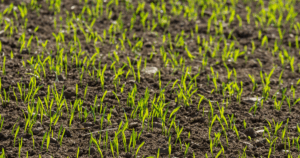 Nutramon Novo is an example of a nitrogen-based fertiliser produced using biomethane, resulting in a carbon footprint up to 60% lower compared to conventional fertilisers.
Sam Leadbeater, UK and Ireland sales manager for OCI Global, says: “Our lower carbon fertiliser combines 50% nitrate nitrogen and 50% ammonium nitrogen, delivering both rapid uptake and long-lasting nutrition across all crops.”
“The high-quality characteristics of the product are the same as those of our existing flagship fertiliser, Nutramon, but with a lower carbon footprint.
This reduction in emissions highlights OCI Global’s commitment to delivering sustainable farming solutions, as the agricultural sector looks to minimise its environmental impact.
Identifiable by its orange granules, Nutramon Novo delivers rapid absorption and an even spreading pattern.
“Growers can be confident that its 50/50 ratio of nitrate and ammonium nitrogen will deliver high nitrogen utilisation efficiency – minimising nitrogen losses to the soil and air and helping to reduce losses to the environment,” says Sam.
To learn more about reducing nitrogen losses to the environment, read our recent blog on nitrogen leaching.
“The fertiliser also contains 4% magnesium oxide (MgO) and 6% calcium oxide (CaO).”
These added nutrients contribute to overall plant health, promoting more robust crops and improved yield potential.
“Magnesium plays a crucial role in nutrient absorption and healthy leaf development, while calcium supports soil structure and nutrient retention, helping to maintain crop quality,” he adds.
Bronze award winner at LAMMA 2026
OCI Global have recently been awarded Bronze in the LAMMA 2026 Innovation Awards, recognising their commitment to developing low-carbon fertilisers like Nutramon Novo, to help farmers reduce their carbon footprint while maintaining high crop performance.
“The award is a fantastic achievement for the entire OCI Global team. It represents a significant step forward in making fertiliser more sustainable,” says Sam.
OCI Global will be at LAMMA 2026, showcasing their innovative lower-carbon fertiliser on stand 11.440. Make sure to come and say hello!